Start with a Safe Size Estimate
Keep your distance; do not approach or handle an animal for a closer view. In Lee's Summit, begin by estimating its size against something already in view, such as a doorframe or a familiar object. A rat tends to look larger and more solid, while a mouse tends to have a smaller, finer outline. Treat this as the first check, not a verdict. Notice where it goes after the sighting, but do not follow it.
Next, note the tail and overall proportions from where you are. A rat’s tail generally looks thicker, and its body more substantial; a mouse’s features tend to look finer beside it. Don’t rely on coat color, which can be hard to judge under indoor lighting. In Lee's Summit, you can record the room and a nearby reference such as Central Park to help describe where you saw it; that location does not identify the animal.
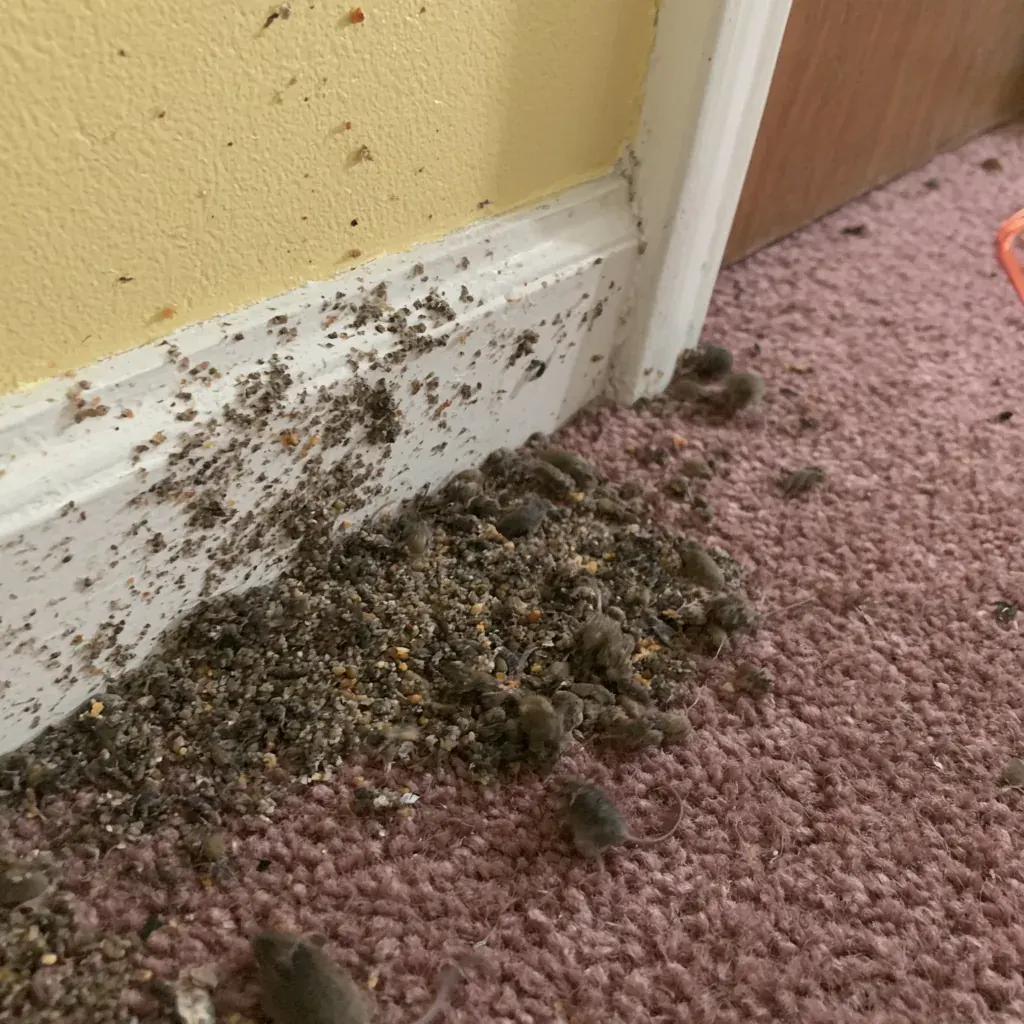
Compare Droppings by Size
Use the animal’s outline first. A rat tends to have a heavier body and thicker tail; a mouse is smaller and more lightly built. If you can see the ears or snout, note those too, but do not move closer to get a better look. Dim light, distance, or a quick dash can hide the details that separate a rat vs mouse. In Lee’s Summit, gnawing or other signs can support that rodents are active, yet those clues do not establish which one you saw.
Then note where the evidence appears: beside a wall, near stored food, or in another part of the room. Lee's Summit homes vary, so a location is useful context rather than a species clue. If the activity was near Grounds Park, record that as a general reference along with the room or part of the home. The placement can help describe the sighting, but it cannot settle the rat vs mouse question by itself.
Check Visible Activity Clues
Check visible surfaces for fresh-looking gnaw marks or disturbed nesting material, but leave both untouched. These signs may indicate rodent activity; they do not show the animal’s size. Note what was marked and where you saw it. A damaged package or rough edge can help an assessment focus on the area, while the rat or mouse identification still depends on the animal’s appearance and the other clues you recorded.
Listen for movement without opening walls or shifting stored items. Write down the room and when the sound occurred, then compare that note with any sighting or visible marks. If you were near Railroad Lake before noticing activity at home, that is only background to your account; it does not establish a cause or identify a species. Sounds can point to activity, but rarely provide a clear rat-versus-mouse answer on their own.
Combine Clues Before Identifying
Put the checks together in order: estimated size, body and tail proportions, relative droppings size, then the location and kind of activity signs. In Lee's Summit, treat the result as a likely identification when clues agree, not a certainty based on one fleeting view. Distance, poor light, and movement can make a small animal look larger or obscure its tail. A short sighting may leave the species unclear even after you have made careful notes.
Write down the approximate body length, tail shape, room, and time before the details blur. If it is safe, take a photo from a distance to preserve details for identification. If your home is near U.S. Highway 169 or Longview Lake, give the pros we connect you with the exact address. A brief view may leave the identification uncertain, so report what you actually saw.
Dealing with rodent activity in your home?
Fresh droppings, gnawing, shredded nesting scraps, or sounds behind a wall can prompt questions, but they do not show where rodents enter. If you find droppings, avoid stirring dust while cleaning. Store food in closed containers while you sort out next steps. Ask whether they serve your address, when a visit may be available, and what charges apply before arranging a visit.