A Single Mouse Gives No Headcount
A mouse seen in Lee's Summit is a reason to watch closely, not a count of what may be out of sight. The sighting alone cannot show whether a mouse infestation is established: a mouse may use an opening or move toward food while staying hidden. Record where and when you saw it, then note whether food or tucked-away shelter was nearby. A sighting near Main Street and one near Longview Lake deserve the same careful observation; neither place name predicts what is happening inside your home.
A mouse seen once may have crossed an open room from a hidden resting place, or it may be part of activity you have not yet noticed. The sighting does not tell you which explanation fits. Accessible food can give a mouse a reason to return to an area it has visited. A mouse appearing in the same area on separate occasions carries a different message from one brief glimpse with no further evidence.
Read the Clues Around Your Home
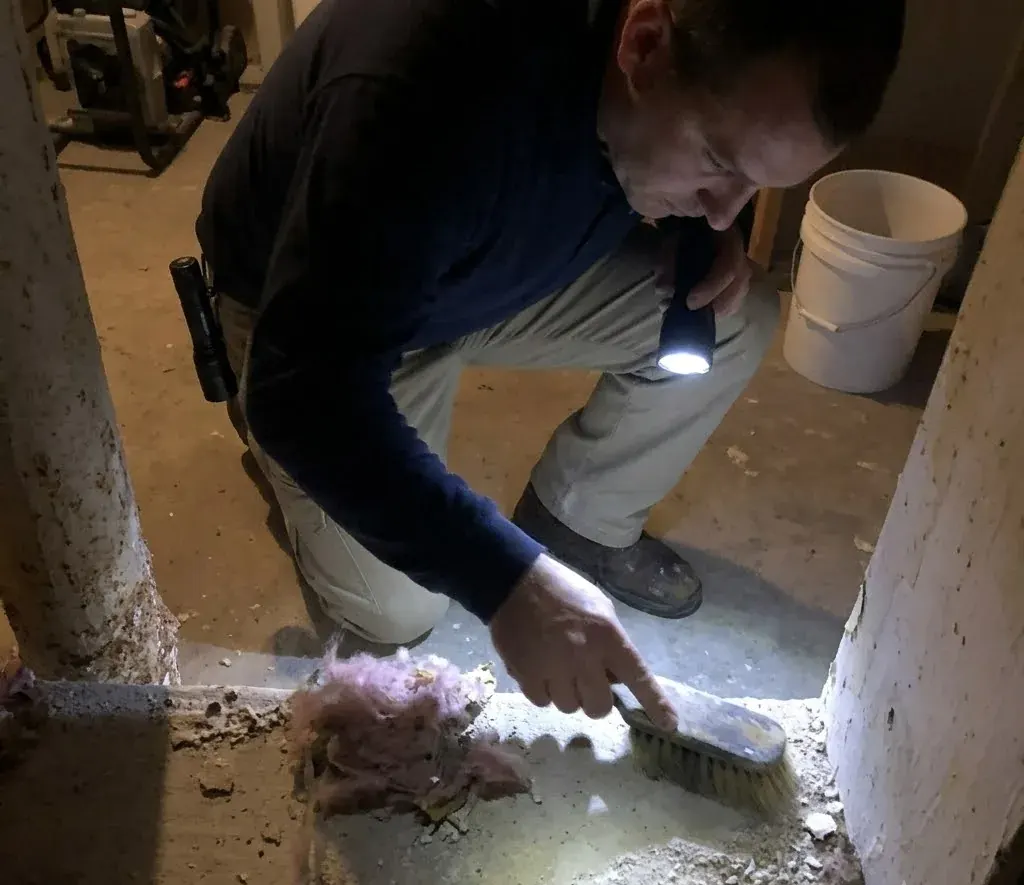
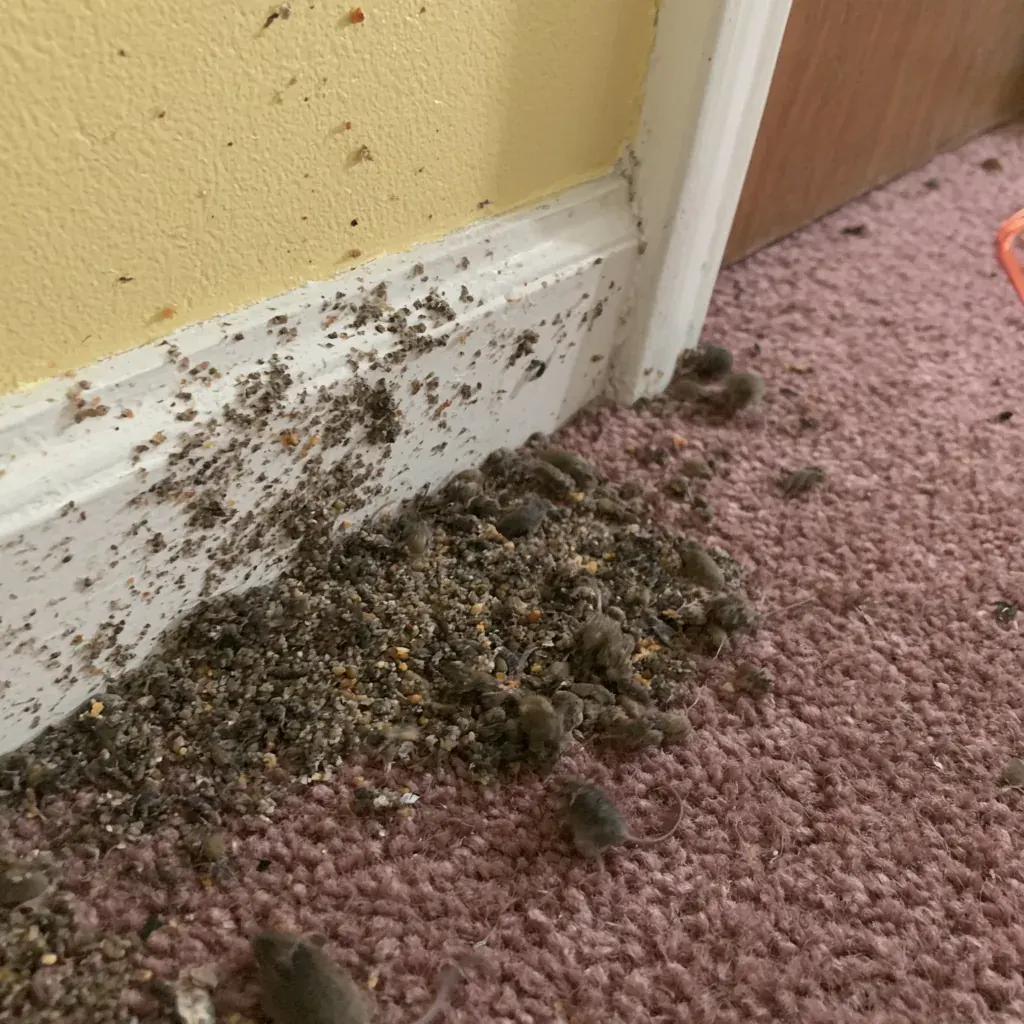
Look at the location and condition of clues around your Lee's Summit home. Droppings beside a pantry, gnaw marks on stored packaging, or scraps that may be nesting material can show where activity is concentrated; faint sounds in a wall or ceiling can add another clue. One mark by itself may be old or unrelated. Several kinds of evidence in a connected area give a clearer picture than a mouse seen crossing the room near Main Street.
The way clues change over time can help you judge whether activity is current. If you notice new droppings or fresh damage after an earlier sighting, record where each appeared; sounds that recur from the same part of the home are useful to note too. Avoid stirring dust if rodent waste needs cleaning, since contaminated dust can spread germs. For a Lee's Summit household, a simple record of rooms and dates can help distinguish a one-time discovery from continuing signs.
Notice Food and Quiet Storage
Food that remains easy to reach can sustain mice already inside, so check what is available in your Lee's Summit kitchen or pantry. Open packages, crumbs under appliances, and uncontained food waste are useful context when you are assessing a sighting. Keeping food in closed containers and clearing accessible crumbs reduces those sources, though it does not establish how many mice are present or block their access to the home. A house near Longview Lake still needs evidence from inside to judge activity.
Quiet, undisturbed storage can make it harder to notice movement and signs. In a Lee's Summit home, crowded boxes or seldom-used corners may conceal droppings, gnawing, or material gathered for shelter; an orderly view of those areas makes new changes easier to spot. You do not need to assume that storage means mice are present. Treat it as one part of the picture, alongside food access and repeated observations, whether you live near Mapleview Park or in another part of town.
When More Evidence Calls for Help
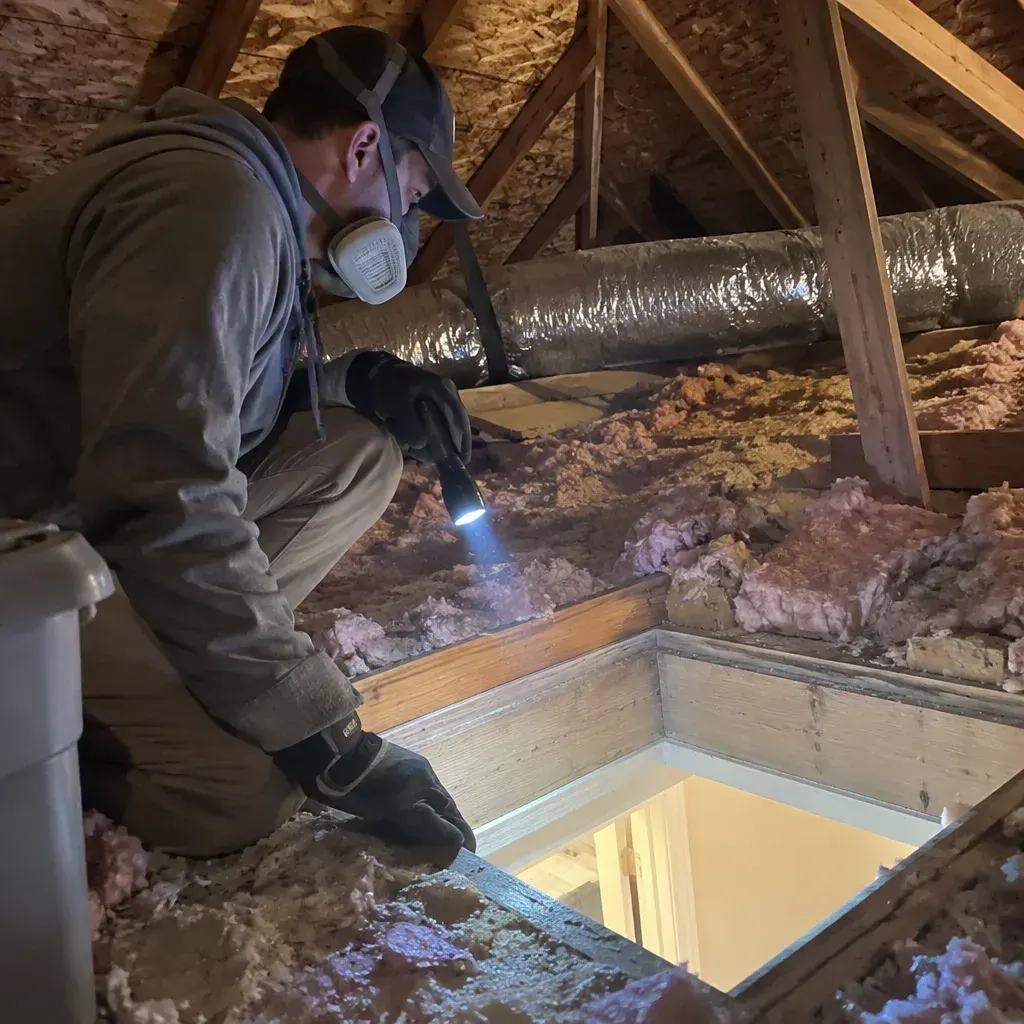
Consider arranging an inspection when sightings recur, or when fresh evidence appears in separate rooms of your Lee's Summit home. You do not need a large visible count first: mice can remain concealed, and signs across more than one area may be enough to warrant a closer assessment. Share the locations and timing you recorded. The pros we connect you with can use those observations to assess whether rodent activity is continuing and what control approach fits the findings.
In Lee's Summit, the pattern across rooms can tell you more than a lone glimpse: fresh droppings in a pantry, gnawing on a package, nesting scraps behind stored items, or sounds may mark repeated activity. Write down each location and whether the clue appears again; evidence in separate areas is a reason to consider an inspection. Near Armstrong Park or along U.S. Highway 169, the same guidance applies inside your home. Put food in closed containers and clear meal crumbs to reduce easy food access.
Dealing with rodent activity in your home?
Fresh droppings, gnawing, shredded nesting scraps, or sounds behind a wall can prompt questions, but they do not show where rodents enter. If you find droppings, avoid stirring dust while cleaning. Store food in closed containers while you sort out next steps. Ask whether they serve your address, when a visit may be available, and what charges apply before arranging a visit.