Office Rodent Control
Office Rodent Control
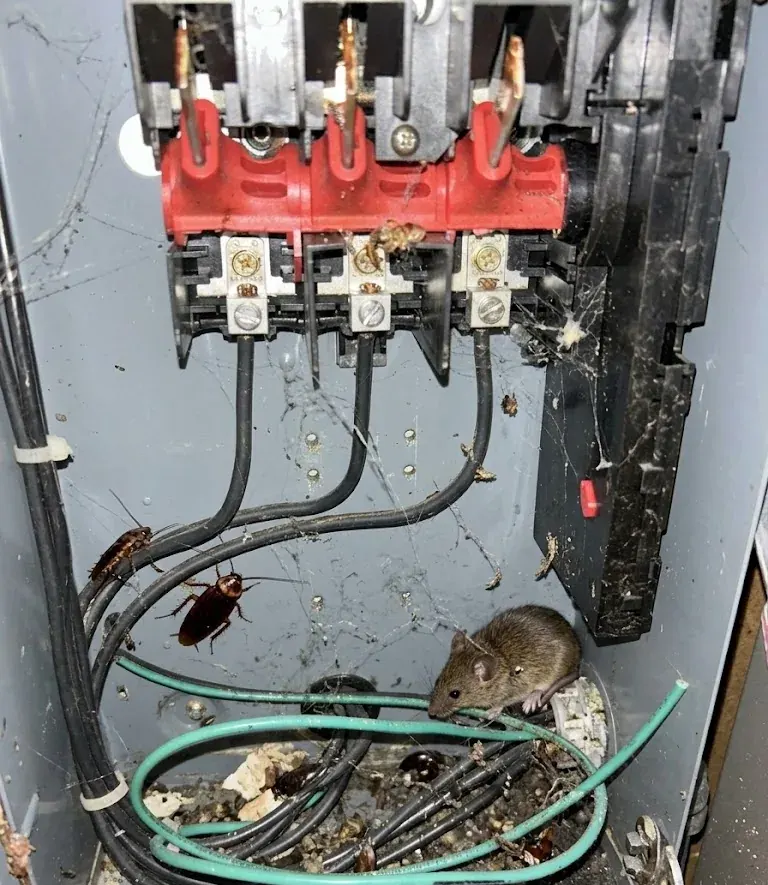
Coordinate warehouse rodent control around receiving, stored goods, inspection access, and clear site records.
Warehouses can inspect dock approaches, receiving lanes, storage aisles, and perimeter openings for rodent signs, then record findings by facility and zone. Protect affected inventory under site procedures, coordinate access around operations, and use monitoring records to guide follow-up checks.
Warehouse rodent control begins with a usable picture of where goods arrive, pause, and sit. In Lee's Summit, a rodent inspection can help trace activity from a receiving lane through staging and storage, then identify areas that need closer attention. The cost of that inspection can depend on building size, access arrangements, operating hours, and how much of the inventory area needs review. Prepare a map that shows recent signs, dock schedules, restricted areas, and the inventory zones you want assessed.
Warehouse mice can put stock at risk without visibly opening a carton. If you find droppings, gnaw marks, or damaged wrapping, identify the affected product and nearby lots, then follow your site's process for holding or evaluating goods. Keep the record tied to a specific rack, aisle, or staging area so staff can locate it without shifting unrelated stock. Where food is handled, use the facility's established procedures for product separation and safe handling while the area is assessed.
Rodents in storage facilities can move through spaces that serve different purposes: a dock may be active for a short window, while stored goods remain undisturbed for longer. Mark signs on a site plan using the labels staff already recognize, and note whether pallets or equipment have moved since the observation. That context helps the pros we connect you with compare activity across connected zones. A vague report about the building gives little direction for a focused inspection.
An inspection can follow the route a shipment takes, from unloading and temporary staging to its assigned storage location. It can also include the building's outer edges and openings around doors or utility lines, where a small gap may provide access. The pros we connect you with can use that route to relate signs inside to possible access points outside. In Lee's Summit, share which doors operate during receiving and which areas remain secured so the assessment reflects normal warehouse use.
Staff reports are more useful when they separate what someone saw from what they inferred. Record the time, exact zone, visible evidence, and any nearby packaging changes; note whether a person or piece of equipment disturbed the area afterward. A brief, consistent report lets the assessor compare observations from receiving, storage, and cleanup without treating every mark as proof of a rodent. Tell staff where to send reports and who can arrange access to the affected zone.
| Location | Findings | Cost drivers |
|---|---|---|
| Site reference | Street address and nearby marker, such as Central Park | Keeps each facility clear on the work map |
| Recent signs | When and where droppings, gnawing, or sounds were noticed | Directs attention to active areas first |
| Dock windows | Receiving times and periods when doors stay open | Helps fit checks around moving freight |
| Stock status | Affected product zone and any internal hold decision | Helps staff review potentially exposed goods |
| Storage layout | Pallet spacing, floor access, and food or waste nearby | Shows whether stored loads block inspection access |
| Entry limits | Escort needs and areas requiring prior access approval | Lets site staff prepare the right route |
| Check locations | High-activity points and dates they were reviewed | Shows whether signs persist in the same places |
| Action handoff | Finding, assigned next step, and planned review | Keeps site decisions clear between visits |
Stored goods and equipment can hide floor edges and wall lines, so inspection quality depends partly on what can be reached safely. Before the visit, identify aisles where a lift, pallet, or temporary staging blocks access, and explain which items cannot be moved without approval. You do not need to rearrange inventory without following your handling rules. A clear access plan helps the pros we connect you with focus on the areas that can be examined during the visit.
Receiving work sets practical limits on when an inspection can take place. Share delivery windows, shift changes, equipment routes, and any interval when a dock lane is clear enough to enter safely. Also identify doors that must stay shut or monitored during operations. In Lee's Summit, the site's schedule matters more than a generic appointment window: staff and the assessor need to know when an area is accessible without interrupting handling or creating a traffic hazard.
Where food or sensitive products are stored, tell the assessor what handling rules apply before anyone enters or moves items. Point out the process for isolating damaged packaging and the staff member who can approve access to controlled areas. Keep cleanup within your site's procedures; droppings and urine can carry germs, and stirring up dust can spread contamination. Clear instructions help the visit fit the work area without putting product handling or employee safety at risk.
Monitoring should reflect how the warehouse operates. Devices placed in a high-activity zone need to remain accessible for inspection without obstructing a forklift path, blocking a fire route, or sitting where routine stock movement will disturb them. Ask the service provider to identify device locations in terms your staff can find, such as a dock number or aisle marker, and explain how checks will be recorded. Placement and regular attention make monitoring information useful for the next service decision.
Keep service notes specific enough for a person on another shift to act on them. Include the visit date, facility address, affected zone, signs observed, nearby stock concerns, access limits, and any change since the prior check. In Lee's Summit, identify the warehouse itself rather than using broad map references such as Woods Chapel Park, Central Park, or Grounds Park; inside the building, dock and aisle labels guide staff to the right place. The record should show what needs follow-up.
Protecting inventory starts with knowing which goods were close to the evidence and whether their packaging or position changed afterward. Mark the relevant lot or storage zone, record visible damage, and follow your site's process for deciding whether items can return to normal handling. Keep product decisions with the staff responsible for them. A rodent report can guide a closer review, but the record should distinguish observed damage from stock that was simply stored nearby.
A shift handoff should carry the details that affect the next person's work: the precise location, what was observed, which area has limited access, and whether a monitoring check is due. Use the same zone names on handoff notes and the facility map. That consistency matters when night receiving, daytime inventory work, and service visits involve different people. If a condition changes, update the shared record instead of relying on a verbal message that may not reach the next shift.
When a company operates more than one warehouse, keep each facility's findings and constraints attached to its own address. A dock schedule, access rule, or storage layout at one site may not apply elsewhere, even when the same teams coordinate service. Compare notes only after the location is clear, and ask that follow-up needs identify the building and zone involved. This lets managers see whether activity is confined to one operation or has been reported at separate facilities.
For a site assessment, gather a facility map, recent sighting reports, affected inventory zones, receiving schedules, and access restrictions. Add the contact who can authorize entry and the names staff use for docks and aisles. In Lee's Summit, these details give the pros we connect you with a practical route through the warehouse and show where work must be coordinated. Keep the map current if stock locations or operating hours change, so the visit starts with an accurate view of the site.
The cost of a rodent inspection in Lee's Summit depends on how the warehouse operates and what the assessment needs to cover. A large inventory footprint, active receiving periods, restricted aisles, and limited access can affect the time and coordination involved. Clear maps and records can help focus the visit on reported areas and compare findings across facilities. If a site uses local navigation notes such as Main Street or U.S. Highway 169, include them only when they help staff identify the correct address.
Planning rodent service for a home in Jackson? Follow the community links to find places where you can ask the pros we connect you with about inspection and control, includingGrandview, Lee's Summit and Blue Springs. Find out whether monitoring after the first visit is included, and what added visit or travel fees may apply.
A food-service business is often quoted by appointment, with building size and planned visit frequency shaping the amount; $80–$175 is a guide. Ask whether the review covers storage and refuse areas, what control devices are proposed, whether access gaps are addressed, and how later monitoring is handled.For a business in Lee's Summit, inspected floor area, access, and device locations shape the supply and labor list, which affects the quote. When calling the pros we connect you with, describe the building's use, trouble spots, access limits, and whether you want sealing or return checks considered.The complete rodent-control bands appear in pricing guide, while commercial overview describes the structure of a scheduled program.
Office Rodent Control
Lee's Summit Restaurant Service
Main Street • Longview Lake
In Lee's Summit, start with the places goods pass through: dock thresholds, receiving lanes, and the space between incoming shipments and stored stock. Check for droppings, gnawed packaging, or other signs, and note the exact aisle or door. A look along exterior walls and around perimeter openings can help locate possible access points. Keep food or suspect goods under your facility’s handling procedures while staff document what they find.
Keep records tied to a facility address and use its own aisle and zone names. Include the date, areas inspected, signs observed, monitoring results, and any location that could not be accessed. That gives staff a way to see whether a report is new or recurring without blending one building’s notes with another’s. A local reference such as Downtown Lee's Summit belongs in directions only if it helps identify the site.
Tell the service provider when receiving activity is heaviest, which shifts can provide access, and whether an escort is needed. In Lee's Summit, identify a staff contact who can explain inventory handling rules and flag areas that cannot be entered during operations. Agree on a visit window and how findings will be shared, so inspection work does not interrupt loading or leave restricted zones undocumented.
If signs appear near inventory, identify the affected pallet, rack, or work area and follow your facility’s product handling procedures. Keep staff informed about which goods need review, and record what was found and where. For food handling areas, use the site’s established safety process. The service provider can document observations and monitoring results for the responsible site contact to review.
Prepare the site map, recent sighting locations, affected inventory zones, dock schedule, and access limits for a warehouse assessment.
Call (816) 586-5803